
Padel Stretching RoutineRecover Faster. Wake Up Pain-Free.
A complete padel stretching routine to ease sore muscles, speed up recovery, and prevent next-day stiffness — done in under 8 minutes after every match.
Start the Routine →You know the feeling — you want to improve on court but your body isn’t keeping up with your game. Most players don’t realise how specific padel conditioning needs to be. We’ve been through it. What actually works for padel performance isn’t generic gym advice — this guide is built from real court experience.
In short: The biggest mistake padel players make is skipping the shoulder and hip stretches right after playing. These two areas take the most beating from all that explosive rotation and lateral movement, so hitting them hard for just five minutes post-match prevents the nagging tightness that kills your game next time out.
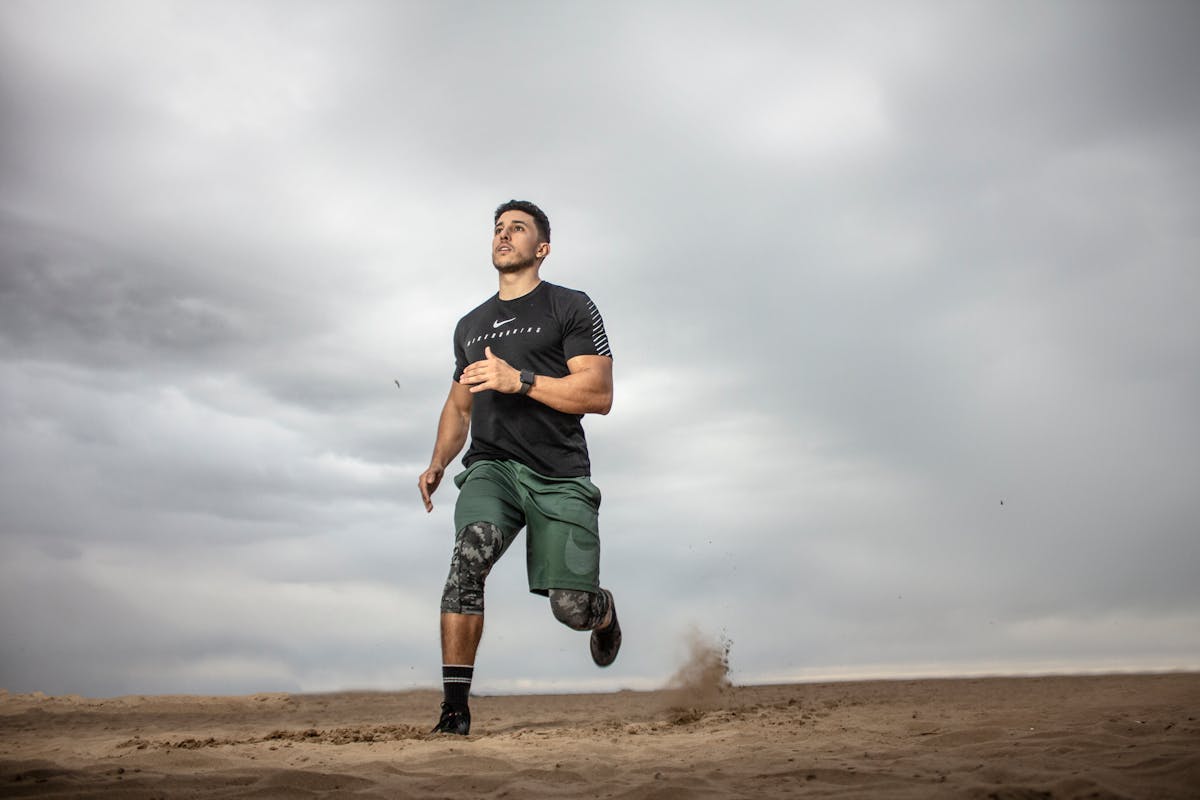
The 8-Minute Post-Match Padel Stretching Routine
Hold each stretch for 30–45 seconds. Breathe deep. Don’t bounce.
Your post-match checklist — tick them off as you go
Total Routine — done within 30 minutes of match end
Per Hold — breathe deep, don’t bounce
Stretches — legs, hips, chest, forearms
Why Padel Stretching Goes After the Match (Not Before)
The science your coach probably got wrong
Static stretching belongs in recovery, not warm-up
For years, players were told to stretch before playing. But what we’ve found through modern sports science is that this advice needed flipping. Static stretching before activity has been shown to temporarily reduce muscle power and reaction speed — exactly what you do NOT want before a match.
Instead, we recommend warming up with dynamic movement (see our 5-minute padel warm-up) and saving static stretching for after the game. In our experience, that is when your muscles are warm, the tissue is pliable, and stretching actually does what most players think it does: reduces soreness and speeds recovery.
After 60 seconds of static holds before exercise — this is why our approach places this routine post-match, not pre-match (PubMed 22316148)
Stretching, Mobility, and Warm-Up: What’s the Difference?
You need all three — at different times
Warm-Up — Before the match
Dynamic movement, 5 minutes — what we recommend to raise body temperature and prime the nervous system. See the padel warm-up routine.
Mobility — Daily or 3–4× per week
Active range-of-motion drills, 10 minutes — in our experience, this permanently improves your joint range. See the padel mobility routine.
Stretching (this page) — After the match
Static holds, 8 minutes — we’ve found this reduces soreness and speeds up recovery. Use all three and you get the full picture our team recommends.
Struggling With a Specific Area?
Target the muscles that need it most
Lower Back Pain
What we recommend here is to focus on figure-4, child’s pose, and hamstring stretches. See the lower back guide.
Calf & Achilles Pain
In our experience, the calf stretch vs wall is critical. Slow, controlled heel lowering after. See the calf pain guide.
Padel Elbow
We’ve found that the wrist and forearm flexor stretch is your best defence. See the padel elbow guide.
Shoulder Pain
What we see most often is that the doorway chest stretch opens tight pecs that overload the shoulder. See the shoulder pain guide.
Padel Stretching: Frequently Asked Questions
Quick answers to the most common questions
Should I stretch before or after playing padel?
After. Static padel stretching before a match can temporarily reduce power and reaction speed. Use our dynamic warm-up before you play, and save this stretching routine for afterward when muscles are warm and recovery-ready.
How long should I hold each padel stretch?
30–45 seconds per stretch is the sweet spot. Shorter holds do not allow the muscle to fully release. Longer holds add very little benefit and can lead to over-stretching.
How often should I do this padel stretching routine?
After every match or intense session. Even on rest days, a 5-minute version focused on hamstrings and hips helps prevent the cumulative stiffness that causes injuries over time.
Will padel stretching fix my sore muscles the next day?
It will reduce — not eliminate — next-day soreness. Combined with good sleep, hydration, and our recovery protocol, you will feel dramatically better within a few weeks of consistent practice.
Is padel stretching the same as yoga?
Related but different. Yoga is more dynamic and builds strength at length. Static padel stretching is targeted and recovery-focused. Both are valuable — yoga is excellent cross-training for padel players.
Play Hard. Recover Smart.
Eight minutes of post-match stretching is the difference between waking up stiff and waking up ready. Build it into every session — your body will thank you for years.
Start the Routine Now →
